
Common Breastfeeding Problems (+How To Fix It)
Hey, breastfeeding mama!
Yes, breastfeeding is supposed to be natural, but that doesn’t mean it’s easy.
Most parents hit at least one of these hurdles in the first few weeks—and most are fixable with small adjustments and a little patience.
Now if you’re looking for tips on how to pump busy mom life, we’ve got that covered in another blog.
Here’s what to watch for and what actually works when things feel off.
1. Latch Issues: When feeding hurts or ultimately feels off

Common signs of this:
- Pain that lasts beyond the initial latch
- Creased, flattened, or lipstick-shaped nipple after feeds
- Baby popping on and off, getting frustrated
Common causes of latch issues:
Shallow latch is the most common culprit
Baby’s mouth isn’t taking in enough of the areola, so they’re compressing the nipple instead of the breast tissue.
Positioning issues might also be a cause
If you’re hunched over or baby’s head is tilted awkwardly, even a good latch won’t hold.
Tongue or lip ties can also interfere
though they’re less common than people think. If you notice clicking sounds during feeds, difficulty staying latched, or a heart-shaped tongue tip when baby cries, it’s worth mentioning to your pediatrician or lactation consultant.
Solutions for latch issues:
The “flipple” technique can make a difference: shape your nipple like a taco and aim it toward the roof of baby’s mouth as they latch. It sounds weird, but it helps them take in more breast tissue from the start.
Switching holds depending on the situation may also help. Football hold can give you more control with a newborn who couldn’t hold their head steady yet. Laid-back nursing might work better when letdown is fast and baby is gulping or pulling off.
Nipple shields can protect sore nipples while you work on fixing the latch, but they’re a short-term tool—not a permanent fix. If you use one, work with a lactation consultant to wean off it once things improve.
When to call/get help for latching issues:
If pain continues past the first few seconds of every feed, baby isn’t gaining weight appropriately, or feeding becomes something you dread, reach out. A lactation consultant can spot positioning issues you might miss on your own.
2. Painful or cracked nipples

Tenderness in the first 10–14 days is common, especially during the initial latch. It shouldn’t be sharp or lasting, but some sensitivity is expected while your body adjusts.
What’s NOT common:
Bleeding, open cracks, or pain that lasts through the entire feed means something’s off. If you’re dreading every nursing session because of the pain, that’s a sign to troubleshoot—not push through.
Some good solutions for pailful or cracked nipples during breastfeeding:
- Applying lanolin after every feed
- Starting early and staying consistent
- Let nipples air dry before covering them back up—trapping moisture slows healing.
- Hydrogel pads can be a lifesaver when cracks are active. They’re cooling, soothing, and create a barrier that lets skin heal without sticking to your bra.
Some treat nipple pain as a latch issue first, not just a skin issue. Creams help, but if the latch is shallow or baby’s positioning is off, the pain will keep coming back.
Try taking it one feed at a time. You don’t have to commit to a full day or week—just the next session.
3. Low milk supply
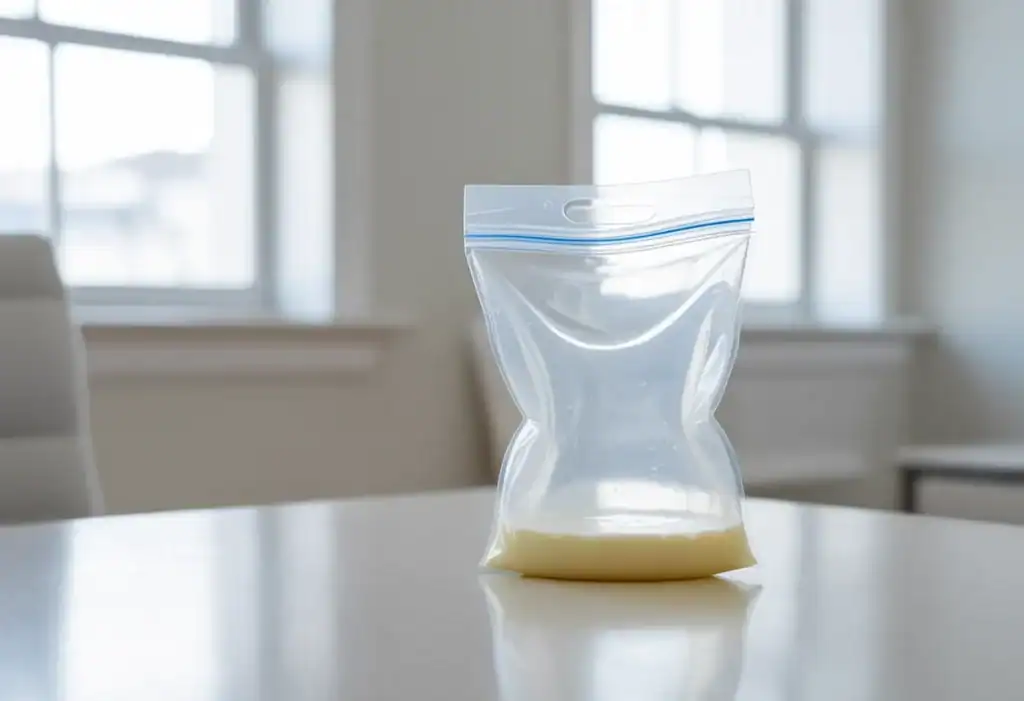
Breasts soften after the early weeks as your body regulates supply. Baby wants to nurse constantly (because that’s how they build supply and find comfort). Pump output feels low because pumps aren’t as efficient as babies. BUT.. none of these mean you’re not making enough milk.
Signs of a possible milk supply issue:
- Fewer than 6 wet diapers daily after day 5
- Baby not regaining birth weight by 2 weeks
- Consistently low energy, weak suck, or very short feeds
- Infrequent or very dry stools
If baby’s gaining well, peeing regularly, and seems satisfied after most feeds, supply is likely fine—even if it doesn’t feel that way. You’re doing great!
Low milk supply tips and common solutions
Increasing feeding frequency short-term can signal your body body to make more milk. Some parents nurse every 2 hours during the day for a few days, even if baby wasn’t asking.
Power pumping can help for a boost: pump for 20 minutes, rest 10, pump 10, rest 10, pump 10. You can do this once a day for a few days, not indefinitely.
Hydration and calories were the baseline! You can’t out-supplement a body that’s running on fumes. Water, snacks, and rest mattered more than any lactation cookie.
Some parents report low milk supply solutions that did not work for them:
Fenugreek made me smell like maple syrup and didn’t do much else. Lactation cookies can taste fine but didn’t noticeably change output. Supplements might work for some people, but they’re not magic—and they’re definitely not a replacement for frequent feeding or pumping.
4. Engorgement and oversupply

Too much milk sounds like a good problem until your breasts are rock-hard, baby can’t latch because everything’s too full, and you’re at risk for clogs. Oversupply in the early weeks is common, but it’s uncomfortable and stressful.
Some common relief strategies for milk oversupply when breastfeeding:
- Gentle hand expression in a warm shower can take just enough pressure off to make latching possible again
- Cold cabbage leaves sound ridiculous, but some report that they really help with inflammation. Tuck them in your bra between feeds and swap them out when they wilt.
Pumping only to comfort, not to empty, can also be key. If you fully drain your breasts every time they feel full, your body thinks it needs to keep making that much milk. Just take the edge off.
Supply usually regulates by 6–8 weeks. It won’t always feel this intense.
5. Clogged ducts and mastitis

A localised hard or tender area that doesn’t go away after a feed is usually a clogged duct.
Redness or warmth around that spot means it’s getting inflamed.
Fever or flu-like symptoms mean it’s turned into mastitis—and that’s urgent.
Immediate actions for clogged ducts and mastitis
- Keep nursing or pumping from the affected breast. Stopping feeds makes it worse.
- Massage gently toward the nipple during feeds to help move the clog.
- Heat before feeds (warm compress or shower) and cold after (ice pack) can ease discomfort and inflammation.
When to call the doctor for clogged ducts and mastitis:
Fever of 101°F or higher, or if the hard spot doesn’t improve within 24 hours of frequent nursing and massage. Mastitis can escalate quickly and may need antibiotics.
Prevention for clogged ducts and mastitis
Avoid tight bras, underwires, or anything that puts pressure on your breasts. Empty them regularly—skipped feeds or long stretches between nursing sessions increase clog risk. If you’re prone to clogs, vary nursing positions so all areas of the breast get drained evenly.
You’re not failing at all!
Breastfeeding just has a learning curve, and most bumps smooth out with a little troubleshooting
If something here resonated or you’re still not sure what’s going on, trust your gut and reach out to a lactation consultant or your pediatrician.
Getting help early almost always makes things easier. And if breastfeeding doesn’t work out the way you hoped? Fed is still best, and you’re doing a great job either way.
